April 4, 2026
“No Kings in the Metropole”
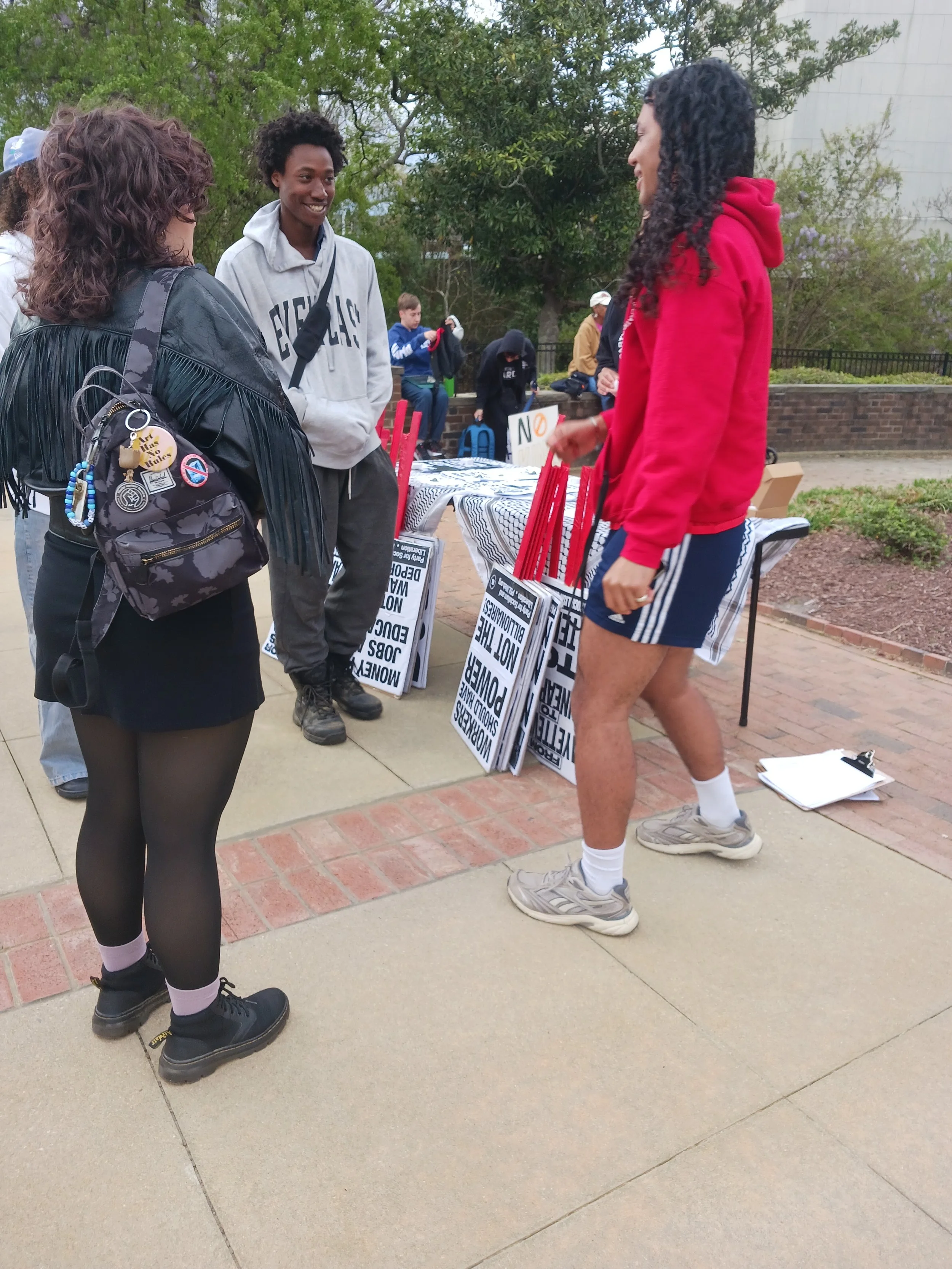
The day started cold and overcast. Though largely white and older, we were an eclectic bunch in message, there to protest various wars (Ukraine, Iran and Israel presently), others to advocate for healthcare, to release the Epstein files, tax the wealthy, fight for disability, LGBTQ+, and immigrant rights, there to show younger generations the importance of turning up when the adults tasked to protect our interests have decided to sit on their hands, further enabling the destructive impulses of a man so perfectly emblematic of all that is rotten and noxious about our country. A woman offered white artificial roses for Palestine while someone else dressed in an inflatable frog suit twerked on the sidewalk for cars to honk in joyful and absurd solidarity.
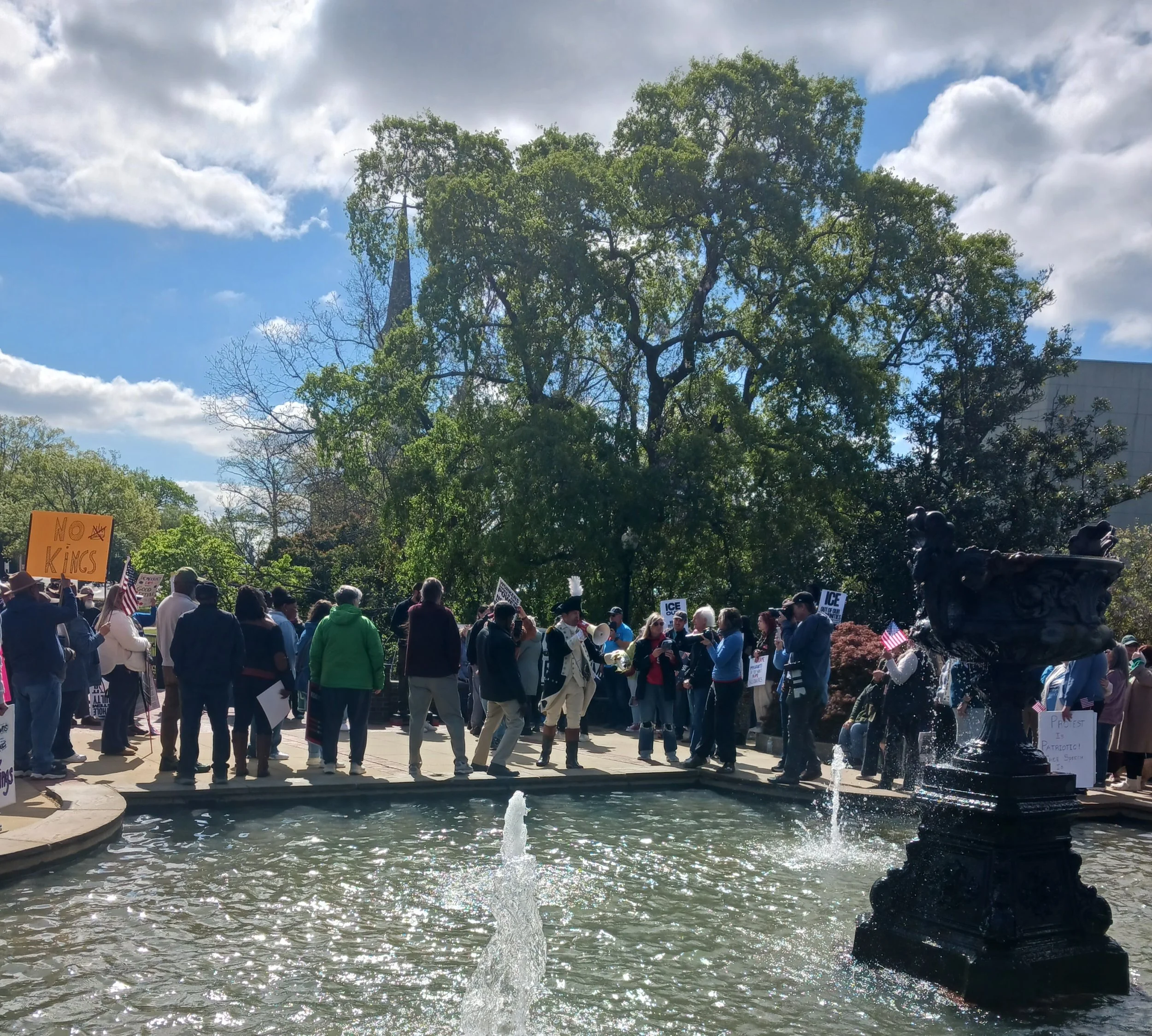
The clocktower struck ten, followed by the shrill tuning of a megaphone that brought all murmuring to a hush. The protest organizer stressed the stakes of the upcoming midterm elections, introduced and platformed a few local progressive candidates, followed by a rousing speech by our city’s namesake, the Marquis de Lafayette. The “Hero of Two Worlds” was a prominent figure in America’s founding, an abolitionist who owned a plantation, someone who tried to uphold the traditions of monarchy with the democratic ideals of a republic, began his five-year stint as a prisoner of war a wealthy bureaucrat and died free yet still a political loose-end. He spoke of the importance of fraternity, the perils of tyrannical rule, concluded by throwing a plastic Party City crown onto the pavement and smashing it with his boot, kicking away the pieces for good measure. It was at this moment that a teenaged Nick Fuentes acolyte dressed in army fatigues, his long black hair slicked back into a pony tail, took his opportunity to warn the public about the looming threat of rampant immigration. Those of us in the back struggled to hear him, presumed he was another leftist activist. We craned our ears and necks forward through the roar of the plaza fountain. A breeze eventually carried back, “They are polluting our blood, changing our national character, they’re—they’re using up our resources… the crime rates—” He was becoming breathless, less assured, more nervous; 4chan had not prepared him for this. We booed and laughed, let him embarrass himself a little further until chants of unity and democracy drowned him out. What needed to be said had been said. It was time to march.
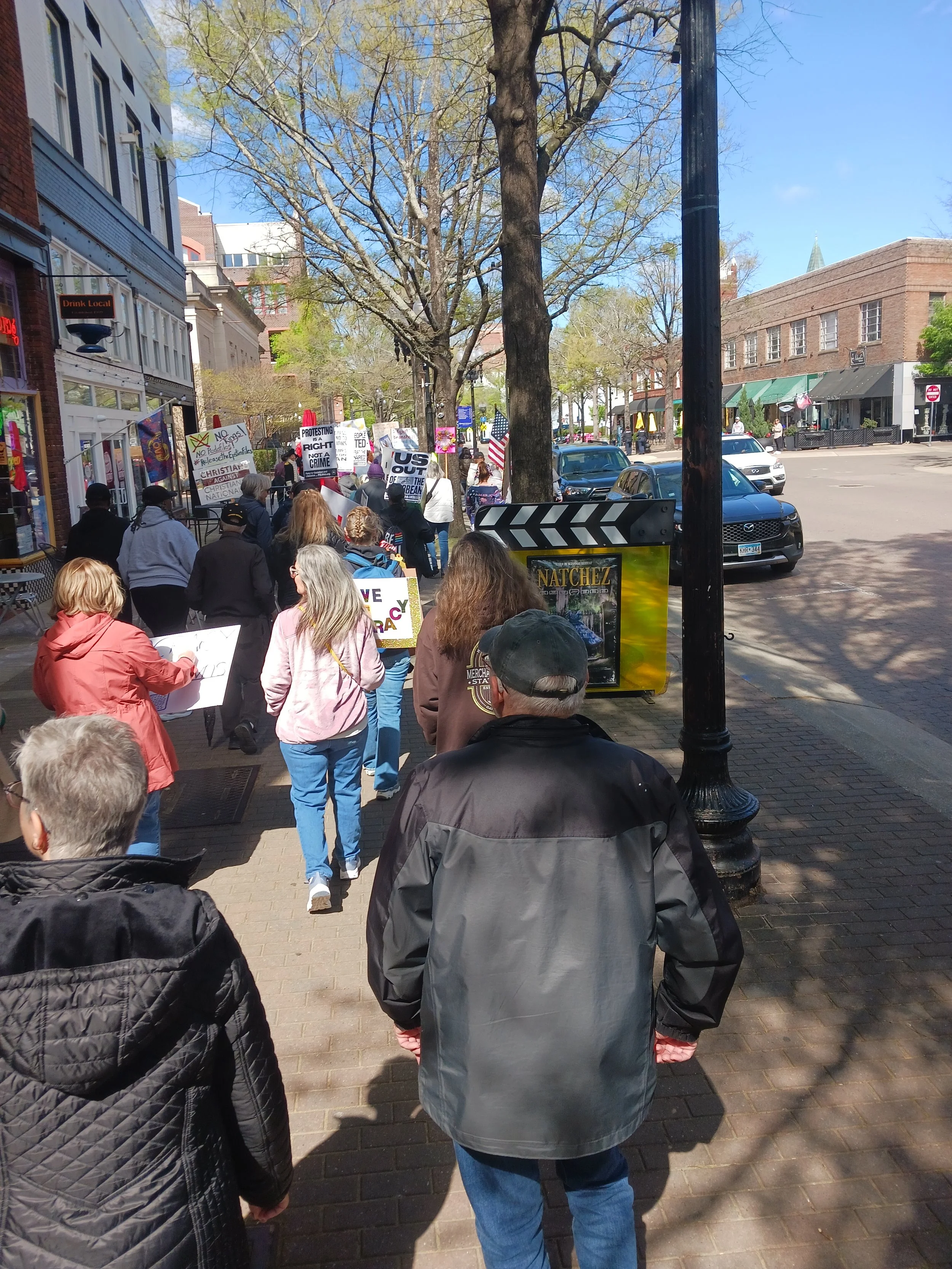
Leading the charge and directing traffic were cheery-looking volunteers in bright green visibility vests. We were to walk a short circuit around the Market House that was once used to auction slaves and which, inexplicably enough, not only still stands but appeared on our city’s seal until as early as 2022. “Retards!” someone shouted from the comfort of their Ford F-150. A college student duly flipped him off, the keffiyeh he was wearing having caught the attention of the moderate behind him. He seemed provoked by the sight, turned to the person next to him to rehash the disastrous results of the 2024 election. “It’s the kids. Harris didn’t stand a chance with them. They get all their opinions from the internet. Not old enough to have their own thoughts worth listening to.” He no doubt reiterated as much on his own Facebook page later that same day. The march continued with more cheers and heckles, couldn’t have been more than twenty minutes, and in those twenty minutes the passing small businesses, artsy movie theater, the frozen yogurt stand, pet groomers, occult and mystery shop, all intermingled with songs of resistance, of hammers and bells and their needing to be sounded and inflicted in the name of love over this land that feels more and more like a fermenting compost heap for history’s worst sins, with us being braised under its pale crimson hue at the bottom; a place where no one would reasonably want to call home if given the choice, but for the bravery of forgotten heroes, and the way that you can see still see fireworks with closed eyes after you’ve looked up into the night sky for long enough.
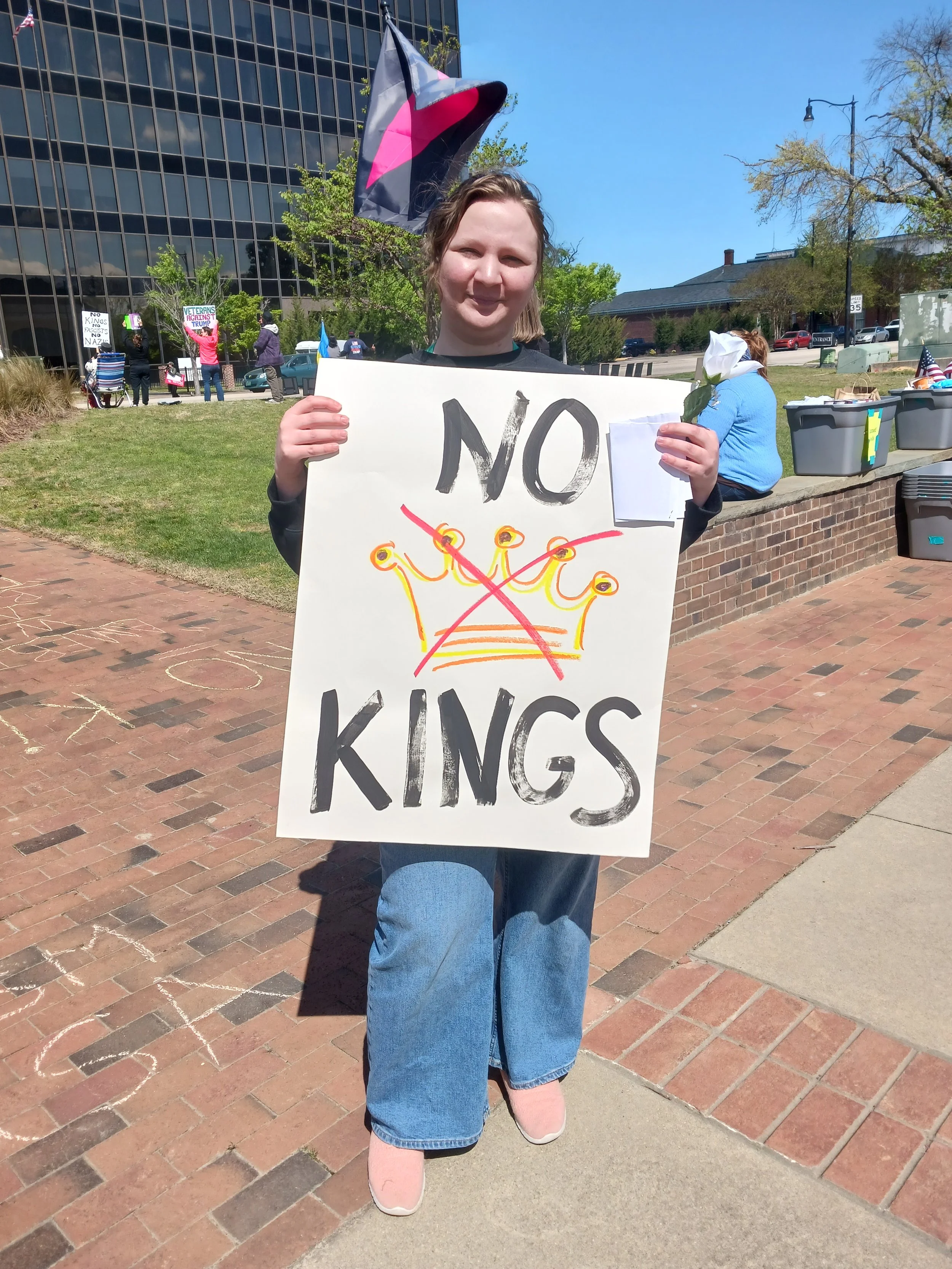
“Hi there.” The march had ended. We were returned to the plaza, waiting for closing remarks. A woman had noticed me staring into the fountain. “Want me to take a picture of you and your sign?” I smiled. “Sure.” “I got chills when I got here,” she said, grinning as though certain the turnout was indicative of at least the start of real and lasting change. Let’s hope. The crowd was dissipating. We went back to our cars amid discussions of lunch and weekend errands, the mundanity of our everyday lives gradually returning to our minds. A man carrying a diapered baby Trump balloon snagged on his jacket zipper, giving out a sharp hiss and deflated as we crossed the street. “Well, that was poetic,” he said, wadding up the latex. The woman walking beside him chuckled uneasily. “Yeah, a little too poetic.”




December 31, 2025 (edited on January 8, 2026)
In memoriam of Renee Good
"On Learning To Dissect Fetal Pigs”
https://poets.org/2020-on-learning-to-dissect-fetal-pigs
Resource to support Minnesota’s Somali immigrants: https://iimn.org/stand-with-minnesotas-somali-community/
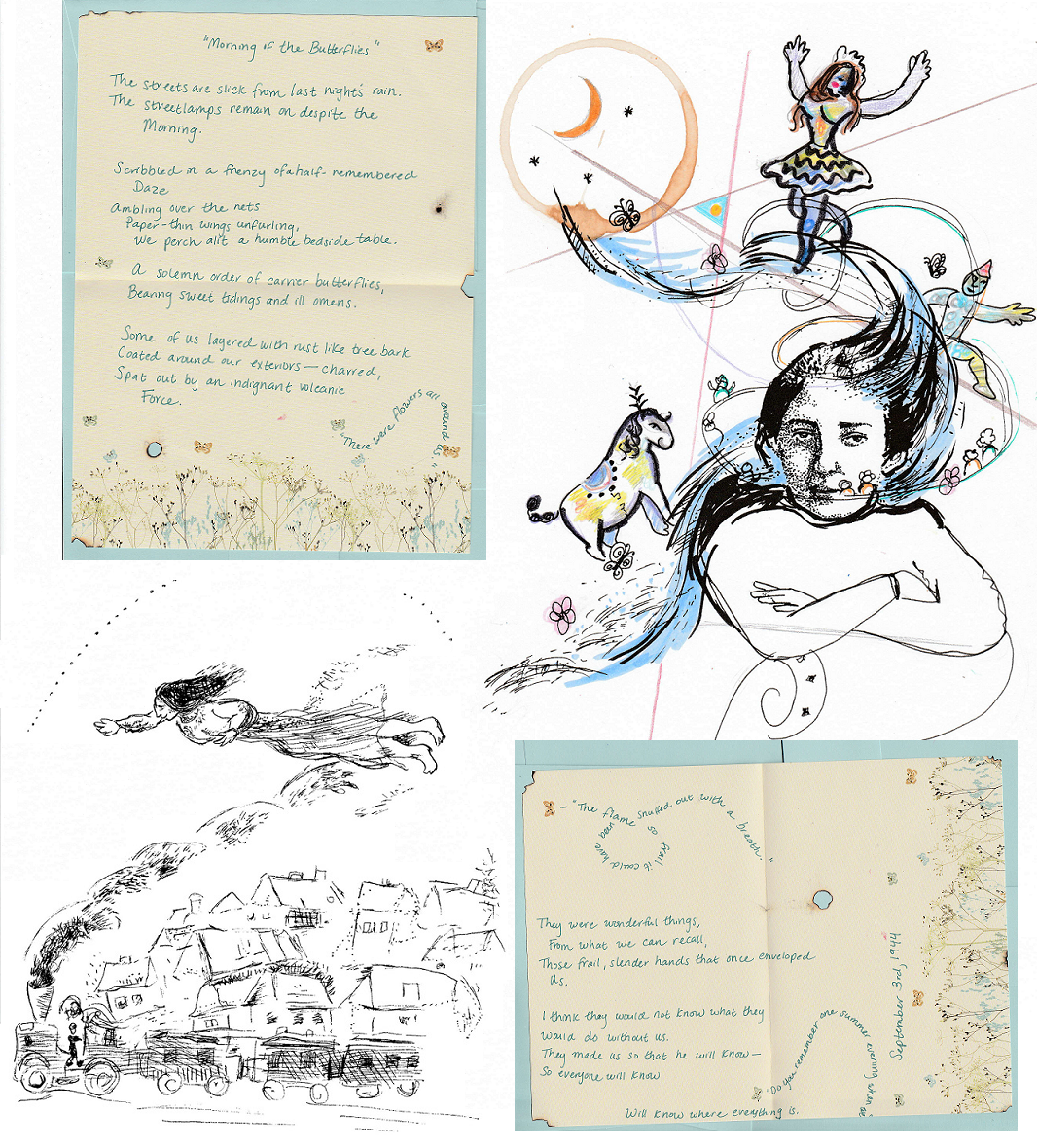
September 1, 2025
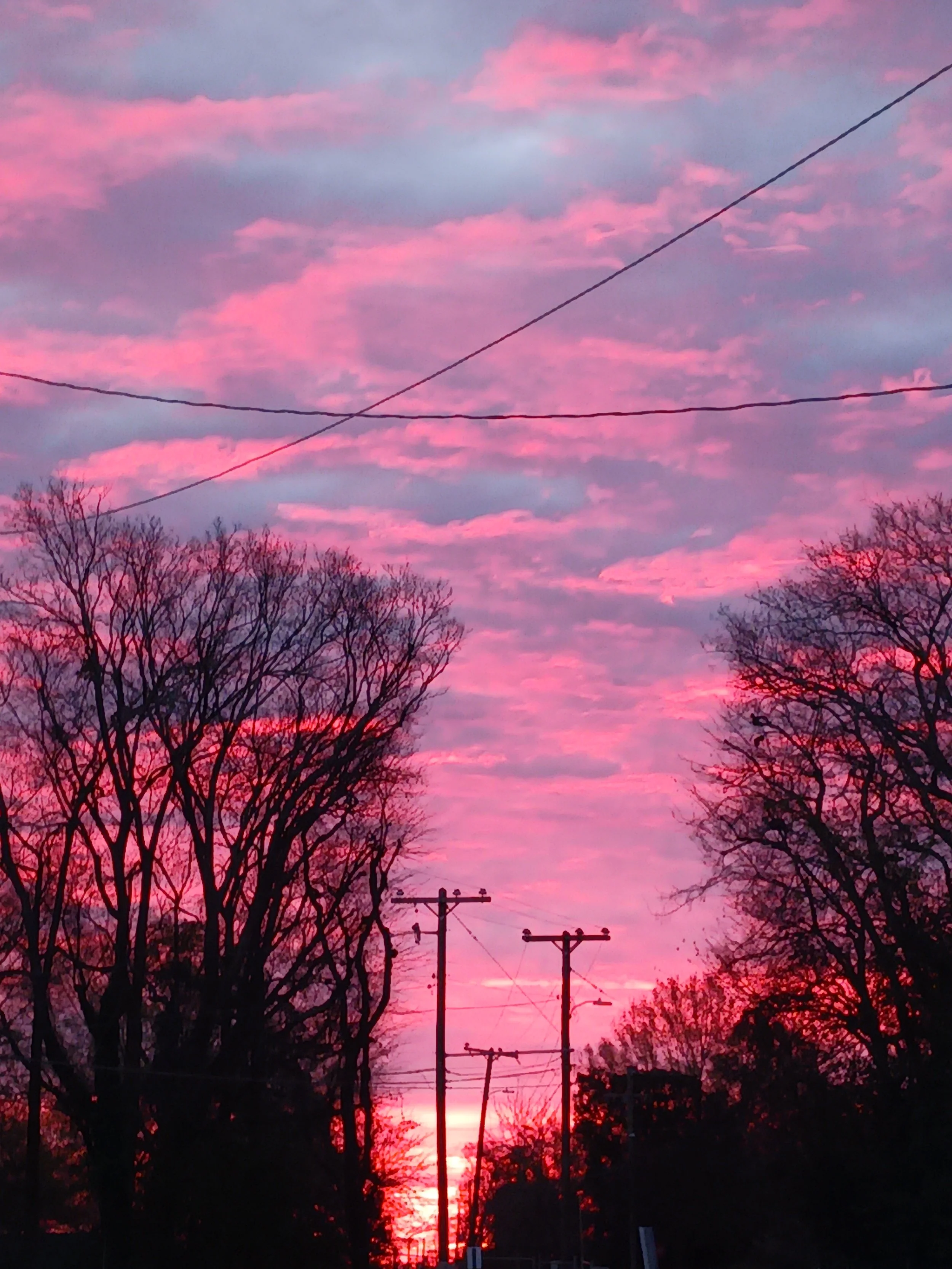

June 5, 2025
https://www.justgiving.com/page/savegaza
“that the bible and qur’an and bhagavad gita are sliding long hairs behind my ear like mom used to & exhaling from their mouths “make room for wonder”—”

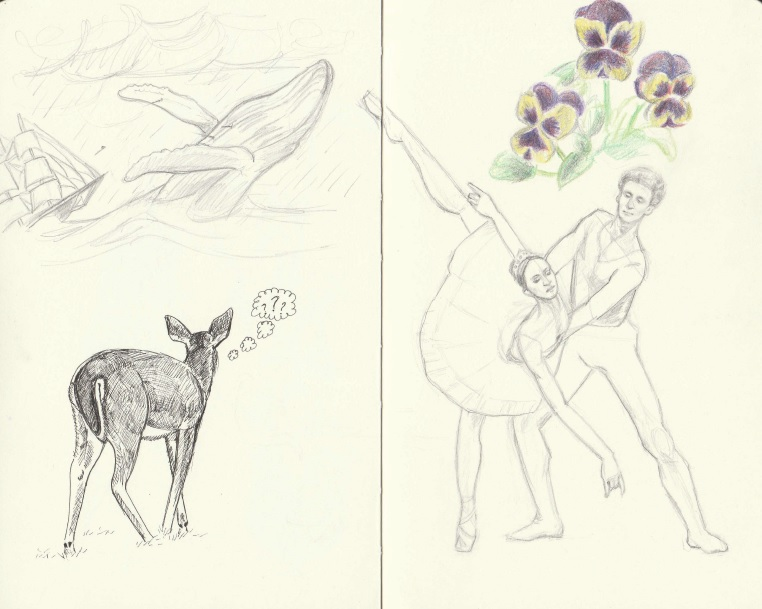
May 11, 2025
Florence - A Tableau
The peninsula writhes. Pope Celestine V — the last of the namesake — unable to meet the demands of his station and wistful for the days of more parochial responsibilities, has resigned after only five months of his being elected, serving long enough to enact the laws validating his own abdication and the abdications of popes to follow. He squats contentedly feeding crumbs of stale rye bread to a congregation of mice in a secluded jail cell where his successor, Pope Boniface VIII, has placed him. His Papacy is one of corruption and meddling of temporal matters as the tenuous network of pacts and dynastic marriages convulses the cogs of the World Powers; the Ghibellines nurse their wounds after years of dutiful terror in service to its land-hungry ghost haunting a willful people who do not, nor will ever, wish to be its subjects. In Florence, a maid to an influential family throws a pot of scalding water from the top floor onto the pavement as another scrubs away the blood of a fallen White Guelph that will soon run into the Arno.
The physician glances up, distracted by the trickle and patter on the window, initially mistaking it for rain. He resumes wiping the gummy traces of licorice root from the mortar and pestle while humming a catchy refrain of a troubador’s ballad. In front on the sill of the palazzo are the remnants of an abscessed molar residing within a green-tinted vial, its glass momentarily altered to a luminous russet gold through the alchemy of the evening sun.
The extraction complete, his apprentices walk awkwardly about the drawing room, admiring its furnishing with hands linked behind them and exchanging notes with hushed tones. The noblewoman, her mind and jaw wracked with a searing pain, swivels herself off the settee-turned-operating chair, her trembling hands grasping like guide dogs upon desk, now mantle, bumping against side table, disturbing the vase of lilies, hobbling tingling legs toward the money box. Paying the physician, she gestures the party to the foyer. They genuflect in deference to her rank as they file out, the impressive double bronze doors groaning as they open inwards, revealing to its inhabitants the oxidized patina of their weather-battered halves. She motions to close them after their departure, but falters, instead lingers a while.
Among the buzz of idle chatter are rows of tempura portraits and intricate tapestries, pieces that appear as though standing at the base of something larger than its artists are prepared to fully bring into being. The scaffolding of what will become the Santa Maria del Fiore is a skeletal cat stretching its spine, overlaying a grid of angular shadows through which the crowd shimmers as a brilliant diamond-scaled wyvern. A bell tower has been installed with great fanfare, and a member of the clergy keenly practices its handling, yanks the rope with too much gusto, the velocity of the pulley launching him several feet into the air before falling back down onto his rear. On the corner is an acting troupe. They are dancing, costumed in comically ample codpieces and bosoms, weaving garlands made of twine around a maypole. The performance is met with looks of self-righteous disapproval and muffled laughter cupped between palms and mouths and concludes with the anxious yips of a wall-eyed pug. Through it all, a pauper cloaked in shreds of patched-together fabrics finds their target, the physician, who, after a moment’s hesitation, rifles reluctantly through his coffers to pay his alms, conscious of setting a good example. The figure bows, diverting their face to conceal the oozing sores around lips and eyes, and extends an aluminum sieve to catch the single ducato that produces a chime like the shallow rattle of a trodden tambourine as it lands. “Molte grazie, Signore.”
The noblewoman passes her tongue over the raw vacant gum, wincing regretfully, roves her eyes once more until resting them upon two men conversing under an arch some few strides away, dried laurel blooms about their feet, one of whom she is well acquainted, recognizes him best from only his profile. He is gesticulating wildly, agitated by a passionate grief and waving his arms toward the city as a lawyer defending a doomed client. The other offers a patronizing, world-weary sigh, gathering his odd maroon robes around him against a chill before spotting the noblewoman from atop her steps, breaking his speech midway; they are mindful of her scrutiny.
She turns to close the door, skimming her fingers over her forehead as though struck by a blacksmith’s iron. The swollen moon climbs; the younger poet is in a hurry in front, the elder with his shoulders slumped and the paranoid demeanor of a petty thief attempts to keep pace behind him to the peal of Sanctus bells.